 Register / Login



DIY Dehydrator Dog Treats

Why Use a Food Dehydrator for Dog Treats?
A food dehydrator removes moisture from ingredients, concentrating their natural flavours and preserving nutrients without the need for artificial additives. Home made dehydrated dog treats means healthier snacks. You choose fresh, high-quality ingredients, avoiding the fillers or chemicals found in commercial treats. They can be customised to your dog’s dietary needs, whether that may be grain-free, low-fat, or allergy-friendly. They’re also very cost effective because you can make large batches from affordable ingredients like sweet potatoes, chicken, organ meats or fruit. Dehydrated treats stay fresh for weeks or even months when stored properly, and your dog will love the custom varieties of chewy, crispy or crunchy textured snacks.
Brain Booster Bites
Dehydrated dog treats offer more ways of interacting with your dog than just a simple reward. By varying the ingredients, flavours and textures of the treats you make, and by including specific nutritional elements, you can help keep your dog’s senses stimulated at the same time as adding nutrients that not only foster better physical health, but also sharper cognitive function and focus. The varied textures, aromas, and flavours of these treats engage a dog’s senses, stimulating neural activity and reducing stress or boredom.
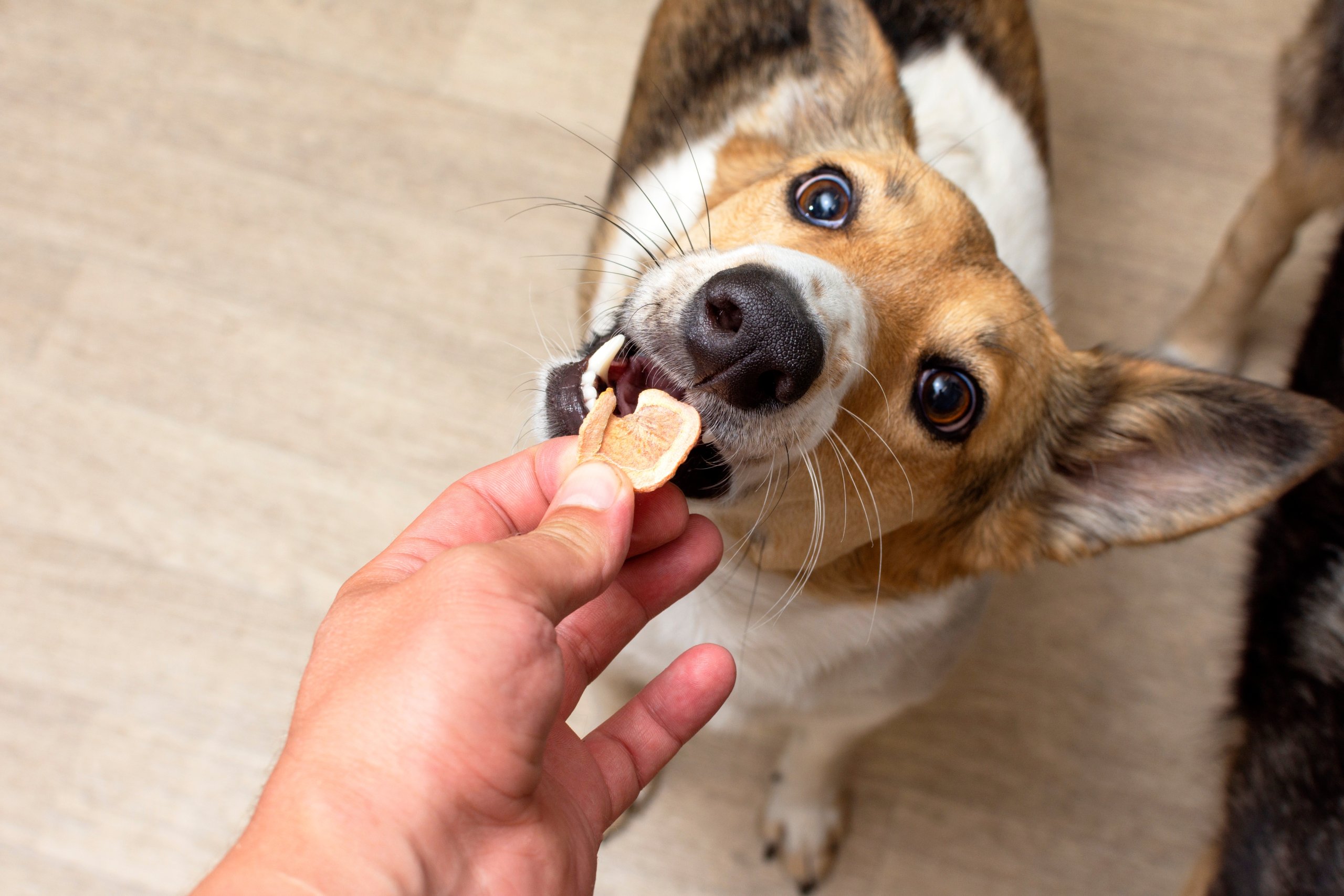 Sensory-enriched dehydrated dog treats, packed with brain-boosting nutrients like omega-3 fatty acids (DHA and EPA), antioxidants, zinc and more, offer a powerful way to enhance canine cognitive function. These nutrients, found in ingredients like salmon, fatty meats, berries, etc. support neural health, improve memory, and promote mental clarity, particularly in learning puppies and senior dogs. Make the sensory challenge more cognitively engaging by hiding treats around your house or garden as a ‘go seek’ scent game.
Intentional bonding moments using your dried dog treats, both in their making and giving, can be used to establish predictable routines that give your dog a greater sense of trust and security. Creating deliberate moments with treats, like a welcome home or a bedtime snack for example, deepens bonding and the stability of such routines promotes greater resilience, relaxation and emotional connection. But if your dog is with you as you prepare and load a batch of treats into your dehydrator, be ready to mop up the inevitable drool from around the area!
Getting Started: Choosing a Food Dehydrator
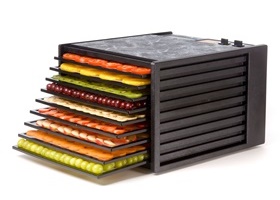
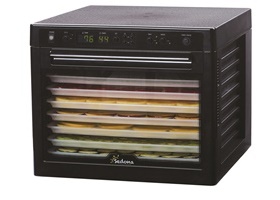
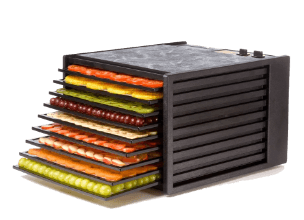
When selecting a food dehydrator for dog treats, look for models with precise temperature settings and enough capacity for processing your desired size batch of treats. Popular options include Excalibur, Filterpro or Stockli dehydrators, which offer consistent airflow, reliable temperatures, and different amounts of space to match your requirements. Ensure your dehydrator has a temperature range of approximately 35°C to 75°C (95°F to 165°F), suitable for safely dehydrating meat and fish, or fruit and vegetables. For more info on choosing the right dehydrator we have an in depth buyers guide here.
Why Use a Food Dehydrator for Meat-Based Dog Treats?
Dehydrating meat preserves its flavour and nutrients while eliminating moisture, making treats storable without the need for additives. High protein meat-based treats support muscle health and energy needs and they won’t break the bank. Cheap cuts and organ meats like liver or heart are affordable yet highly nutritious. Home made dehydrator treats avoid the often long list of additives found in commercial treats and offer a variety of dog-approved textures and flavours that will have your dog salivating at first sniff.
Safety Tips for Meat-Based Treats
Source Quality Meats: Buy from reputable butchers or farm shops to ensure freshness. Organ meats are often found at ethnic stores, butcher shops and some supermarkets at low prices. Cheaper cuts are great for dog treats.
Temperature Matters: At least the first four hours of any meat drying should be at 160°F/70°C or higher to take care of any potential pathogens. This temperature guide refers to human food safety standards. However, many dog owners already happily feed their dogs on a raw meat based diet, ignoring this temperature recommendation without issues.
Hygiene First: Clean all surfaces, knives, and dehydrator trays thoroughly to prevent cross-contamination, especially with raw meat.
Check for Doneness: Meat treats should be dry to the touch and bend slightly without breaking (except when you are going for a crisper texture, which takes more drying time).
Limit Organ Meats: Organs like liver and kidney are nutrient-dense but should be fed sparingly to avoid nutrient imbalances, particularly vitamin A excess from liver.
Introduce Gradually: Start with small portions to monitor for any digestive issues.
Storage: Refrigerate meat treats for up to a month or freeze for up to 3 months in airtight containers. Consider a vacuum sealer to extend shelf life further and take up less freezer space with the bagged finished product.
Why Cheap Cuts and Organ Meats?
Cheap cuts of beef, chicken, or ox heart and other organ meats like liver or kidney are not only wallet-friendly but also nutrient-dense. They’re often overlooked for human consumption, making them widely available at low cost. These ingredients deliver high-value nutrition, making your dog’s treats both healthy and economical.
Fruit & Veg Too
If your pooch is partial to sweet potatoes, carrots, berries, apples, bananas, and other fruits, dehydrating nutritious plant-based snacks concentrates their flavours to make them even more irresistible. Be careful though because some plants are toxic to canines. Do not give your dog potatoes, tomatoes, onions, garlic, or grapes for example. Always remove pits and seeds from fruits, including apples. If in doubt, check with your vet.
Easy Dog Treat Recipes for Your Food Dehydrator
Here are some dog-safe treats to try, they’re not really ‘recipes’ as such as they mostly consist of a single ingredient. Check with your vet on the advisability of introducing new treats if your dog has any dietary issues. Modify these recipes with safe flavourings and approved supplements for your dog if you like. For example coconut oil can add crispness and turmeric powder can add anti inflammatory properties.
1. Sweet Potato Chews
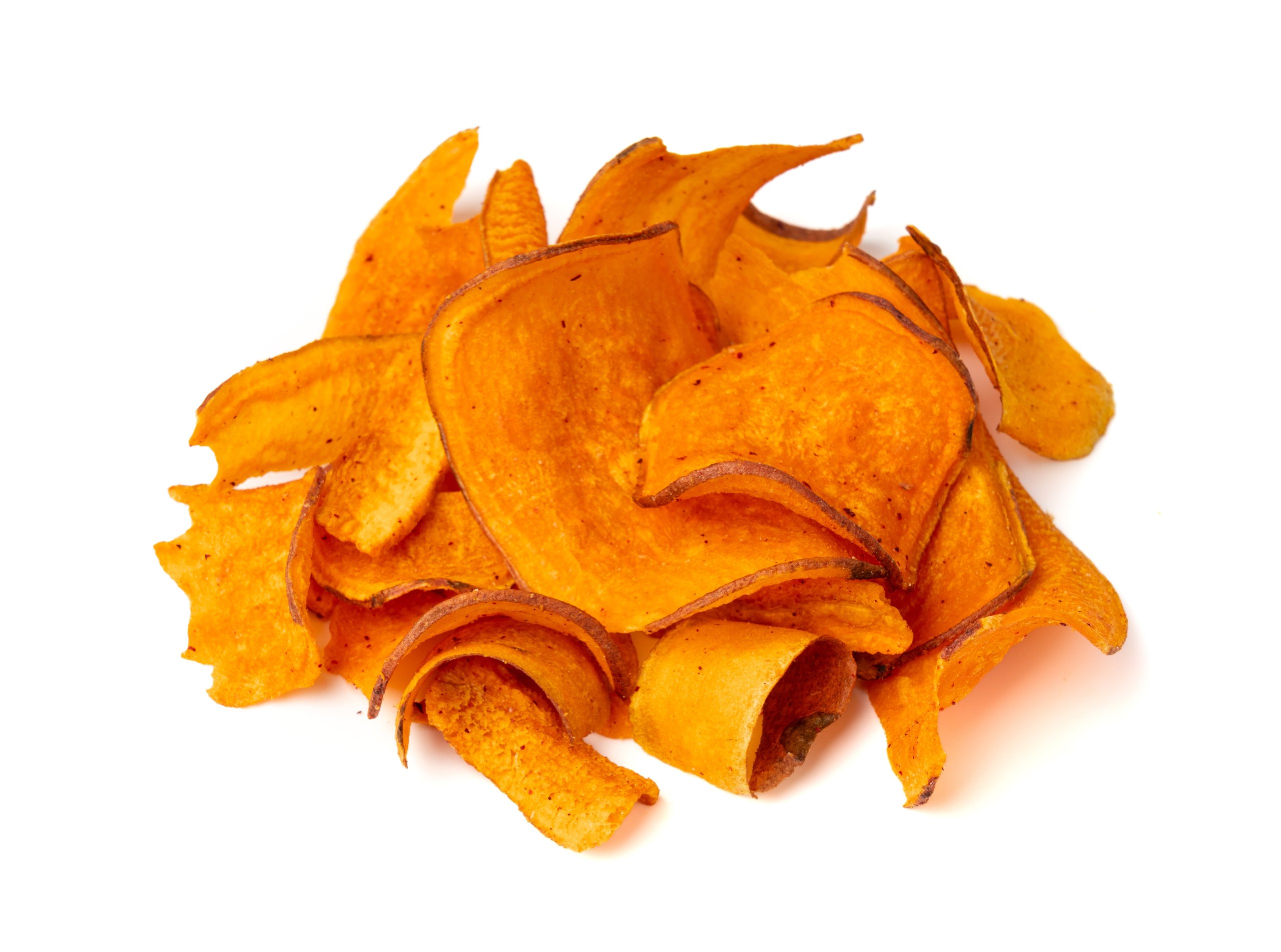
Ingredients: 2 large sweet potatoes
Sweet potatoes are rich in fibre, vitamins, and antioxidants, promoting digestive health.
Instructions:
- Slice washed sweet potatoes into thin, uniform strips (about 3-4mm thick)
- Arrange slices on dehydrator trays, ensuring they don’t overlap
- Dehydrate at 135°F/60°C for 6-8 hours until leathery but not brittle
- Cool completely and store in an airtight container
Pro-tip: hard ingredients like sweet potato and carrot lend themselves to even slicing with a kitchen mandolin. Thinner slices and a longer drying time will turn these ‘chews’ into crisps.
2. Chicken Jerky
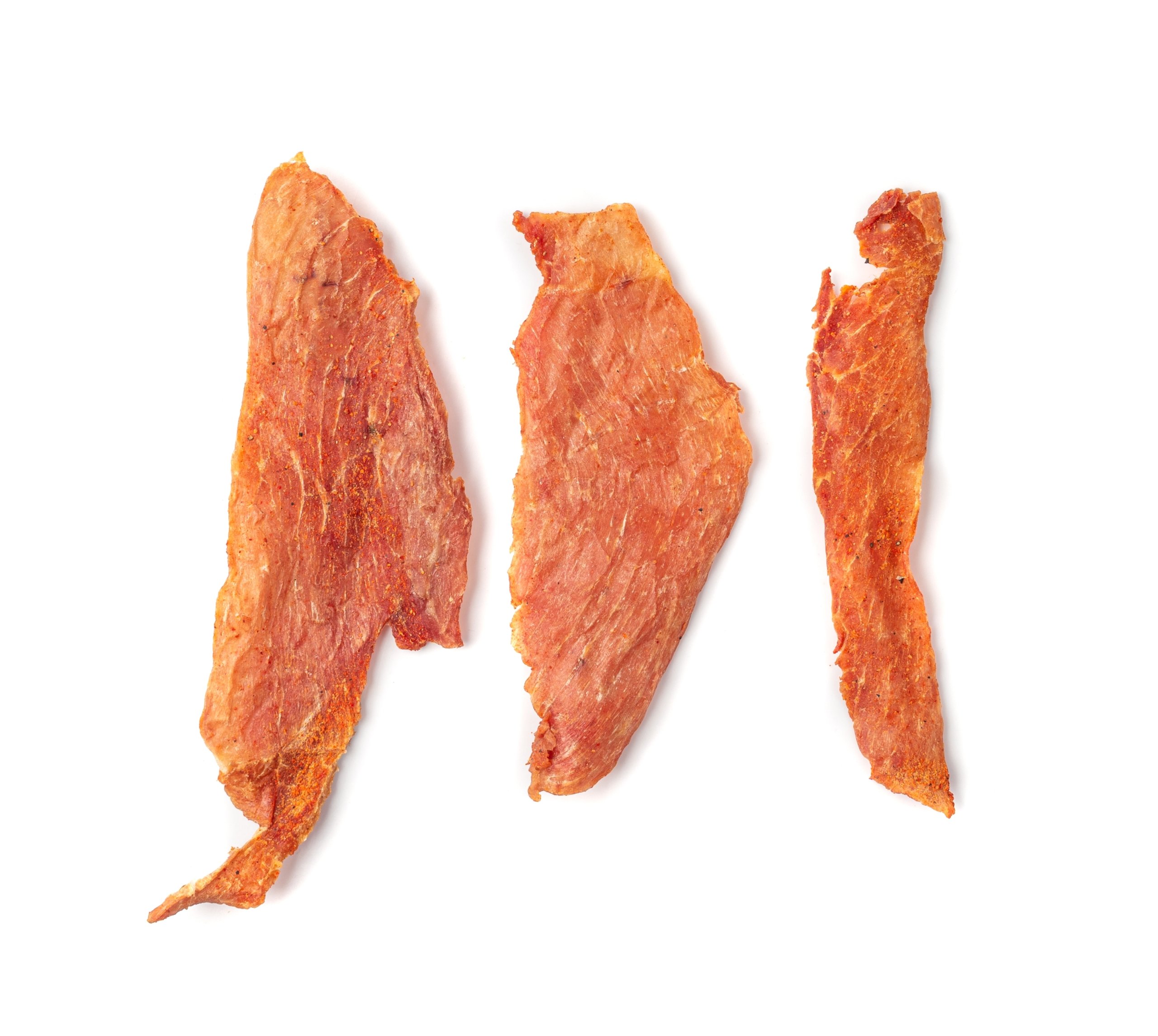
Ingredients: 1 Kg boneless, skinless chicken breast
High in protein, low in fat, and irresistibly meaty.
Instructions:
- Slice chicken into thin strips
- Place strips on dehydrator trays without overlapping
- Dehydrate at 165°F/74°C for 8-10 hours or until fully dry and slightly bendable
- Let cool and store in the fridge for up to a month, or freeze for longer storage
Safety Note: Ensure chicken is fully dehydrated to prevent bacterial growth. Use a thermometer to confirm an internal temperature of at least 160°F/70°C in the dehydrator during drying (Not necessary with most of our dehydrators which have precise temperature regulation. Please note: Tribest Dehydrators require pre-cooking meats at 70°C in an oven as they operate at a lower maximum temp)
Pro-tip: Minced chicken is a cheaper alternative and can be spread thinly or rolled onto a dehydrator sheet. Score the chicken sheet with a pizza cutter part way through drying, ready to break into bite sized chunks when done
3. Apple Crunch Bites
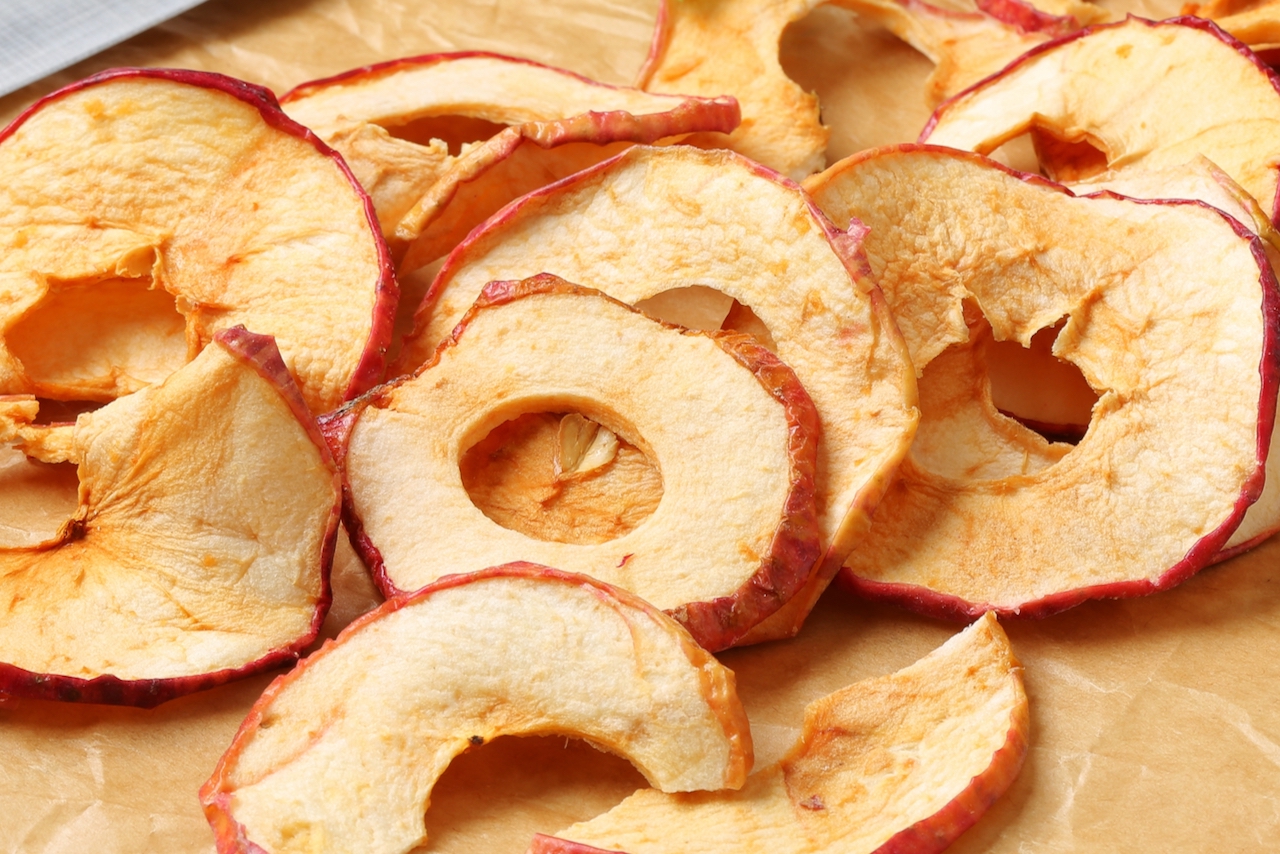
Ingredients: 3 or 4 large apples (avoid seeds and core)
Apples provide natural sweetness and vitamins, great for dental health.
Instructions:
- Wash apples and slice thinly (remove core and seeds)
- Soak slices in a mix of water and a splash of lemon juice to prevent browning
- Pat dry and place on dehydrator trays
- Dehydrate at 125°F/50°C for 6-8 hours until crisp
- Store in an airtight container for up to a month
Pro Tip: Mix apple crisps with a few chewy banana slices for a sweet, dog-safe combo with different textures
4. Beef Heart Jerky
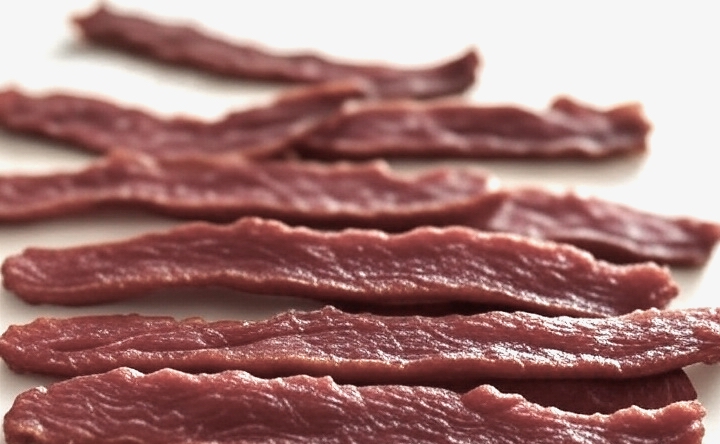
Ingredients: 1 Kg beef heart (available at butchers or some supermarkets)
Beef heart is lean, protein-packed, and rich in taurine, supporting heart health.
Instructions:
- Trim fat and connective tissue from the heart.
- Slice into thin strips for even drying.
- Place strips on dehydrator trays without overlapping.
- Dehydrate at 160°F/70°C for 8–10 hours until fully dry and slightly bendable.
- Cool completely and store in the fridge for up to 2 weeks or freeze for longer.
Caution: Feed in moderation to avoid digestive upset due to richness
5. Liver Bites
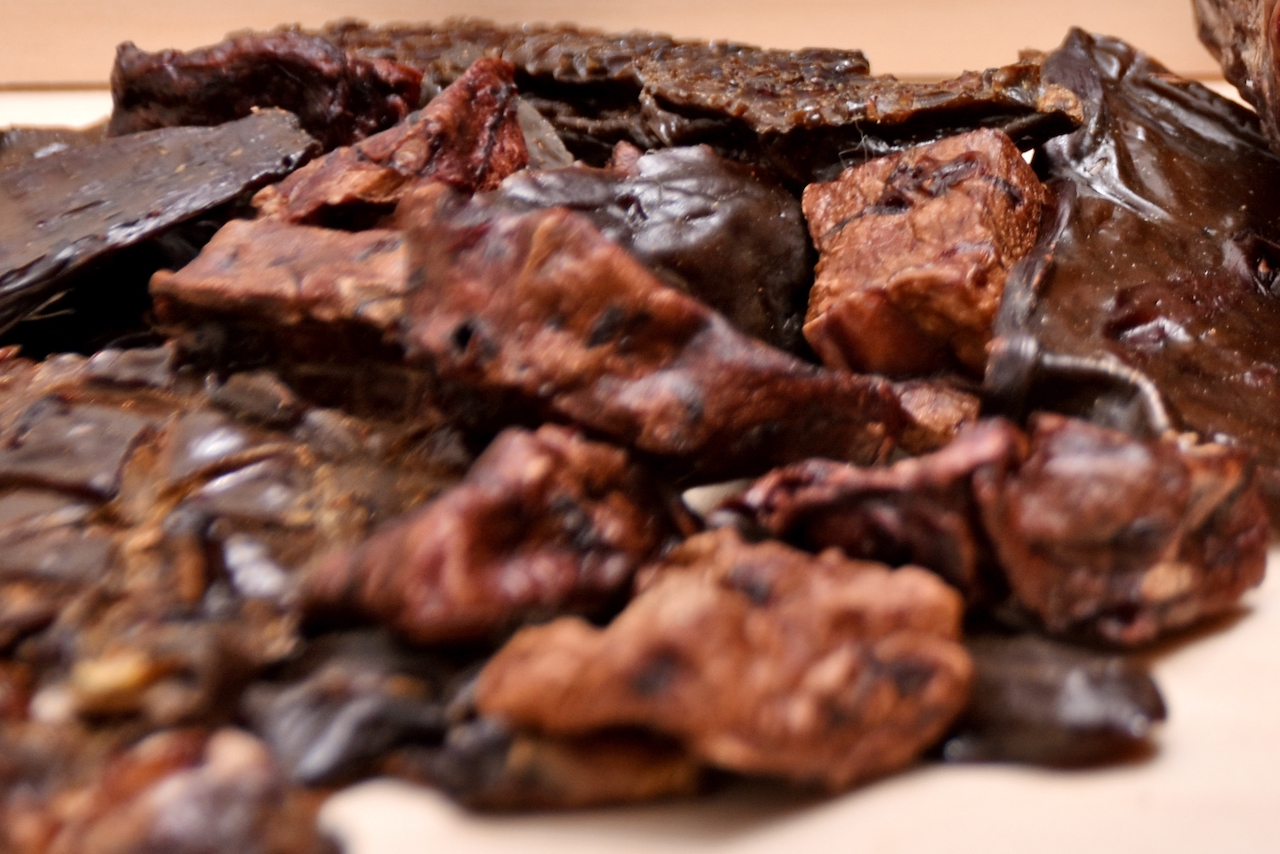
Ingredients: 1kg chicken, beef or pork liver
Livers are nutrient-dense, packed with iron and vitamin A for coat and immune health.
Instructions:
- Rinse livers and pat dry
- Cut into small, bite-sized pieces or thin slices
- Arrange on dehydrator trays with space between pieces
- Dehydrate at 160°F/70°C for 8–10 hours until crisp and dry
- Store in an airtight container in the fridge for up to a month or freeze for longer storage
Caution: Only small amounts of liver are needed to get the benefits. Limit liver treats to a few pieces per day to prevent vitamin A toxicity, which can cause problems if overfed.
6. Dried Salmon & Salmon Skins
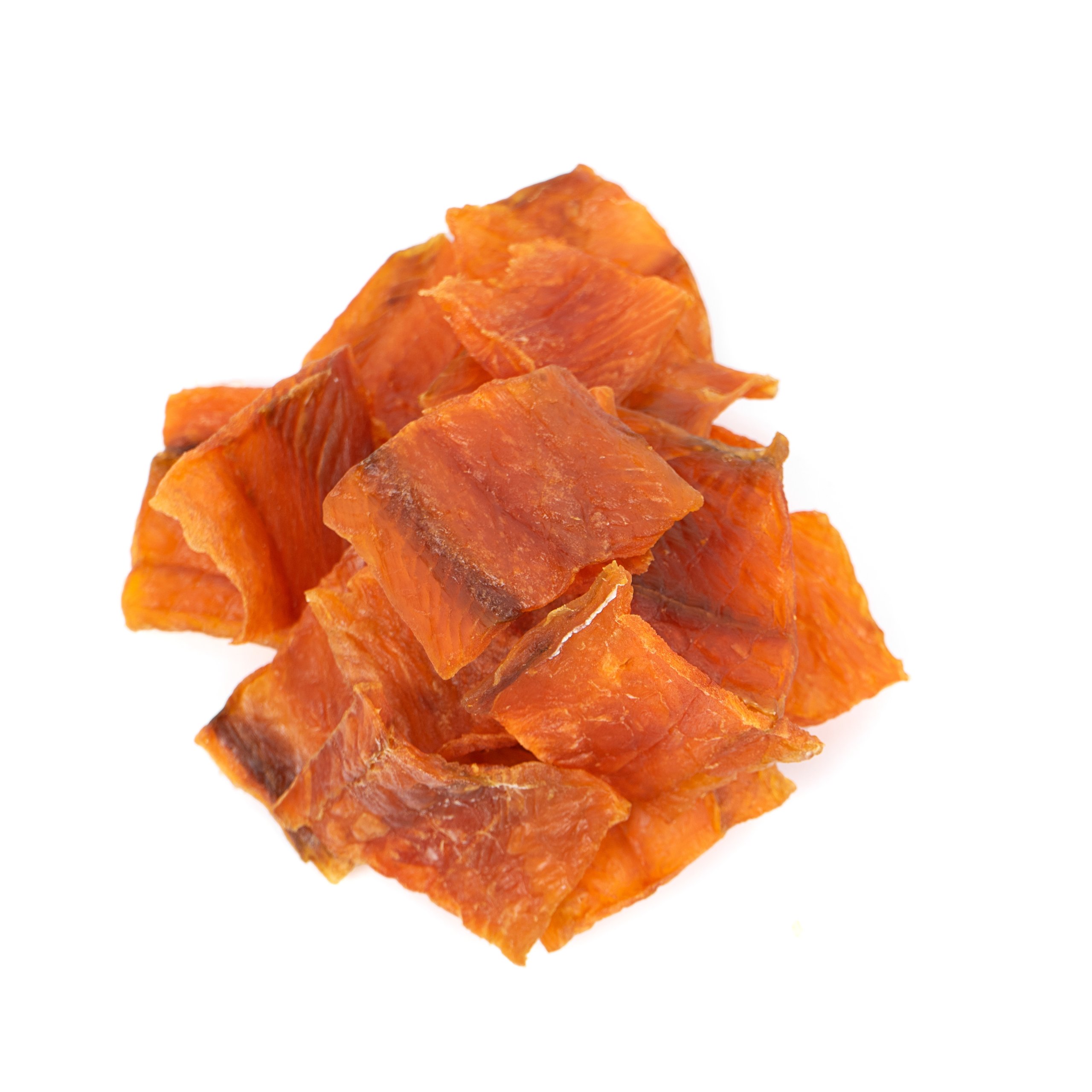
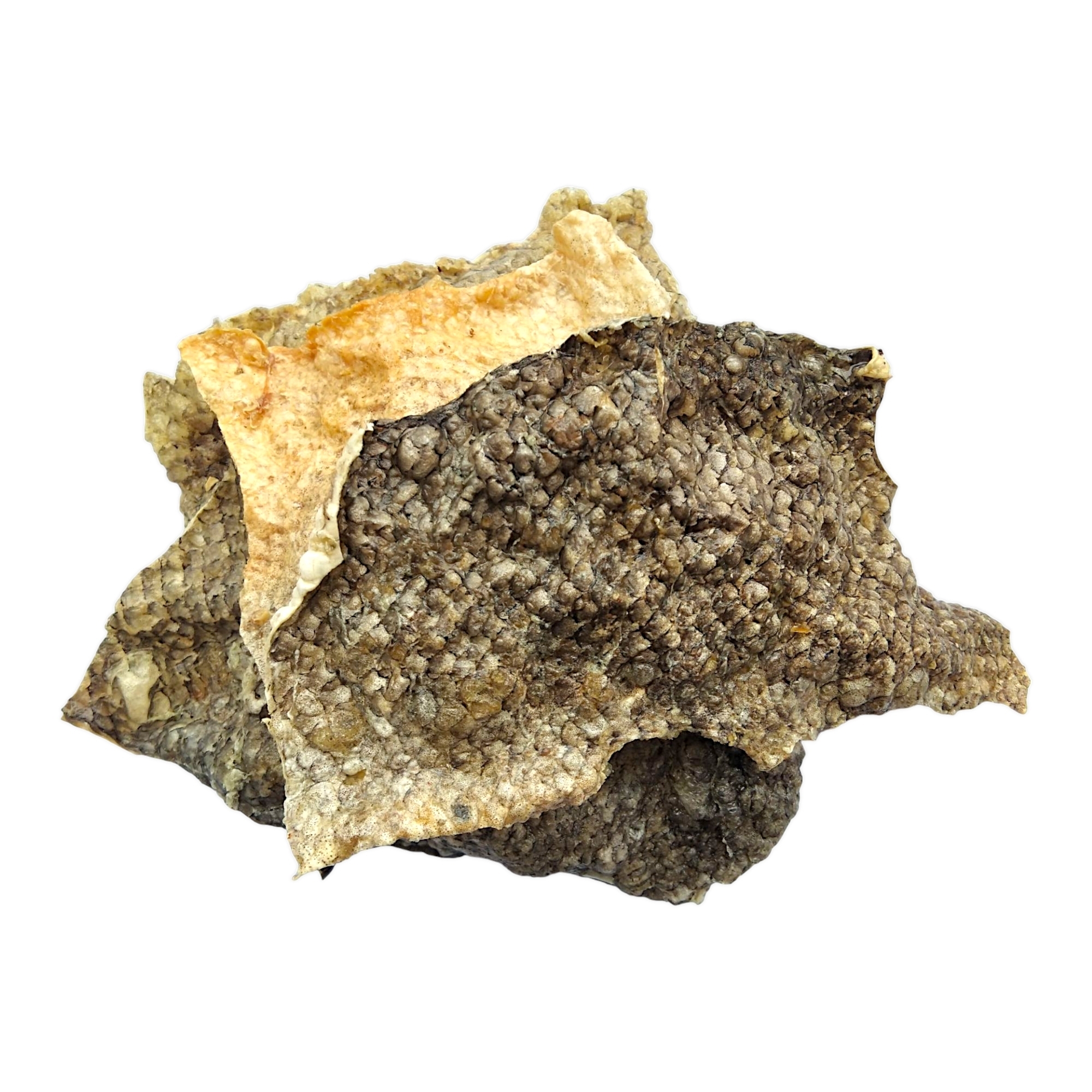
Ingredients: 1kg salmon or 500g salmon skins
Salmon and oily fish is high in omega 3, astaxanthin and essential fatty acids and great for a dogs coat, nervous system, and joints. They just love that fishy crunch too.
Instructions:
- Rinse and pat dry the salmon or salmon skins
- Cut into small, bite-sized pieces or thin slices
- Arrange on dehydrator trays with space between pieces
- Dehydrate at 160°F/70°C for 8–10 hours until crisp and dry
- Store in an airtight container in the fridge for up to a month or freeze for longer storage
Pro-tip: If you have a friendly fishmonger, getting hold of a supply of salmon (or other fish) skins for making these crispy snacks can be very low cost, or even free.
Tips for Perfect Dehydrated Dog Treats
Slice Evenly: Uniform slices ensure consistent drying
Monitor Time: Check progress periodically, as dehydrating times may vary based on ingredient thickness and moisture content, as well as the surrounding humidity
Clean Trays: Use baking paper or non-stick dehydrator sheets to prevent sticking and make cleanup easier
Store Properly: Keep treats in airtight containers in a cool, dry place. Refrigerate meat-based treats to extend freshness
Introduce Gradually: Start with small portions to ensure your dog tolerates any new ingredients
In Closing
Using a food dehydrator to make dog treats is an easy, creative way to keep your pup happy and healthy. With minimal effort, you can whip up batches of jerky, fish bits, or other snacks that are both nutritious and delicious. Start experimenting with these recipes, and watch your dog gobble up the fruits of your labour! Ready to get started? Share your creations with us on social media using #DehydratedDogTreats!